AI Website Builders: What They Can and Cannot Do for Your Business
AI can generate your website in minutes. But when everyone has access to the same tools, decent becomes invisible. This article explains what AI can and cannot do, and why clarity and customer understanding now matter more than design.
Singapore’s Prime Minister Lawrence Wong delivered his Budget 2026 speech on 12 February.
I did not read every line.
I did not need to.
The headlines were loud enough.
AI funding.
AI adoption.
AI transformation.
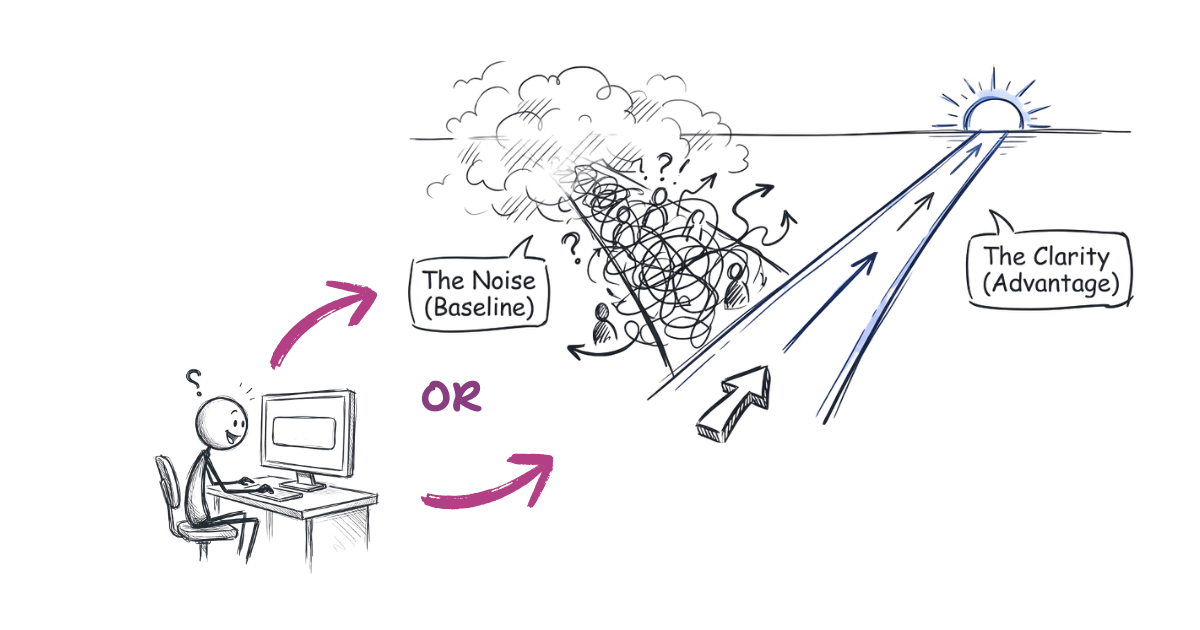
If you run a business in Singapore, the message is quite clear.
Use AI. Or you risk falling behind.
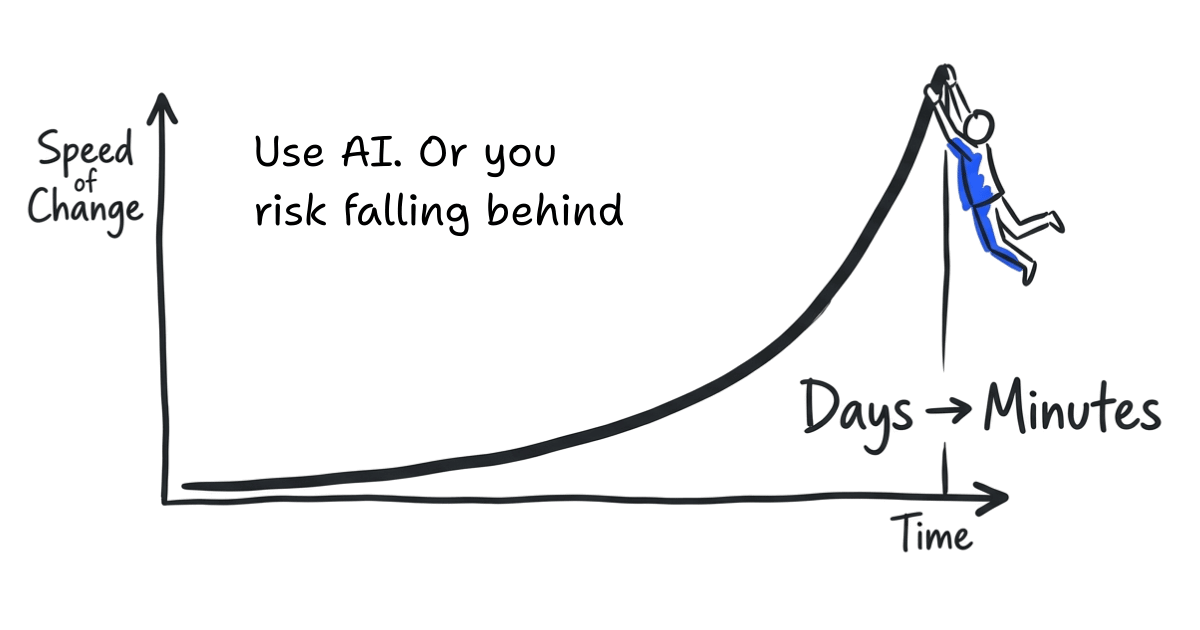
Since ChatGPT launched in 2022, the speed of change has been crazy. Tasks that used to take days now take minutes.
Naturally, every website builder jumped on the wave.
Framer AI.
Lovable.
Wix AI.
Webflow AI.
Type a few sentences. Click a button. Poof… Your website appears.
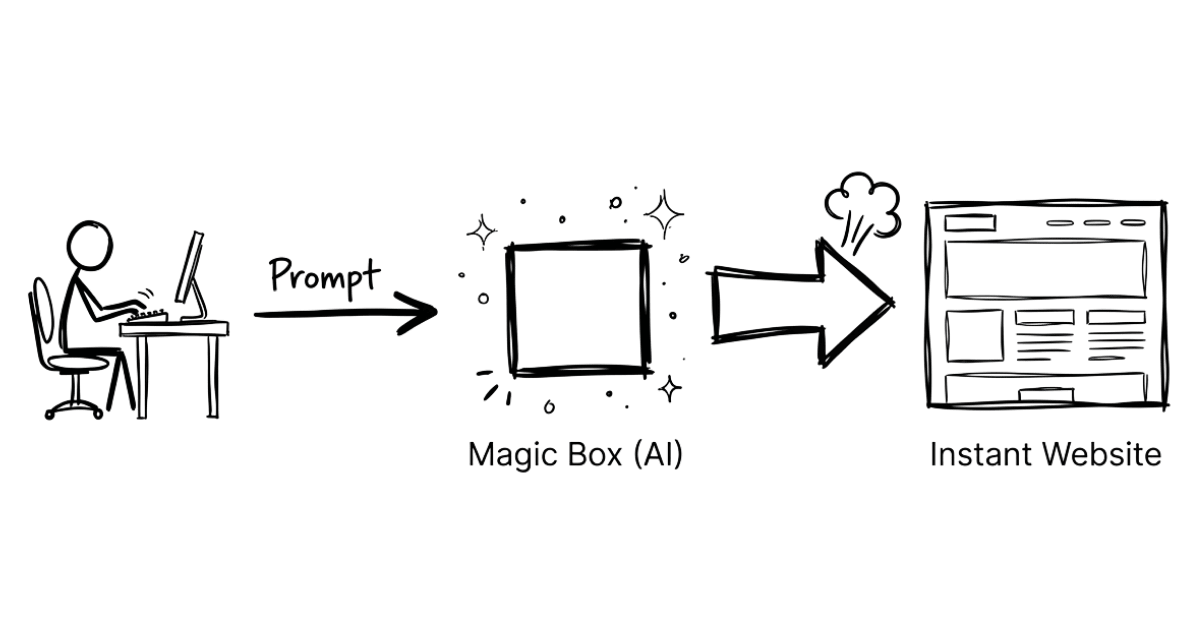
I get this question a lot:
“If AI can build my website, why do I need anyone else?”
Fair question.
Actually, correct question.
So here is my honest answer.
Yes. You should use AI to build your website.
You should test it.
You should experiment.
You should generate your first draft.
Refusing to use AI now would be like refusing to use Google 15 years ago.
But here is the part most people are not thinking about.
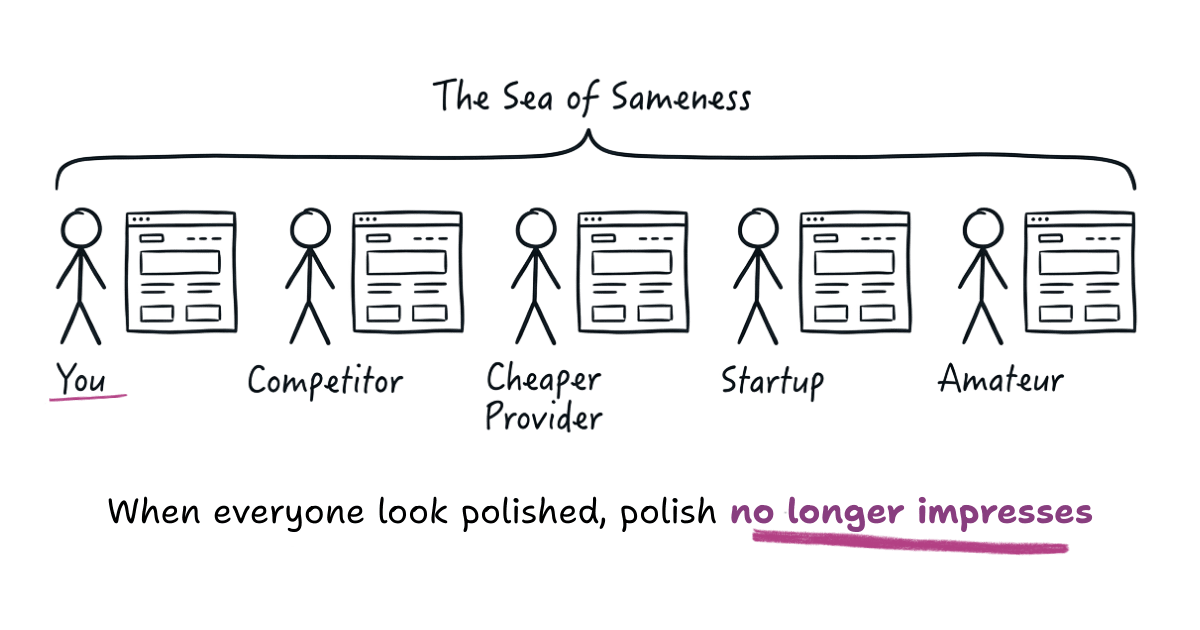
AI is not just your advantage. It is everyone’s advantage.
Your competitor has it.
The cheaper provider has it.
The startup with no track record has it.
When everyone can build something that looks decent in ten minutes, being decent is no longer enough.
That is also why how to choose a web design company has changed. If an agency is mostly using the same AI tools and templates you can access yourself, you need to know what strategic value they actually add.
And this is where it gets harder.
Harder strategically.
Because building a website is no longer the challenge.
Getting your visitor to confidently move forward is.
AI can generate sections. They can write headlines. They can arrange layouts.
But it cannot tell you:
- Who you truly want to attract.
- Who you should gently discourage.
- What your customer is actually worried about.
- Why they hesitate before clicking contact.
- What reassurance would genuinely lower their risk.
When everyone is using the same tools, the noise increases.
More sites.
More decent copy.
More decent looking pages.
The gap is no longer design. The gap is clarity. And clarity is uncomfortable work.
It forces you to answer questions most business owners avoid.
Who is not a good fit?
What budget range is realistic?
What problems do you not solve?
What type of customer drains your energy?
AI will happily guess these for you.
And the scary part is, the guesses will sound reasonable.
That’s exactly why it is dangerous.
Because reasonable does not stand out.
And in a market full of AI-built websites, reasonable blends in. Without sharp positioning, how AI describes your business collapses into the same category blur as your competitors.
So the question is no longer whether you should use AI.
The question is whether you are clear enough to guide it.
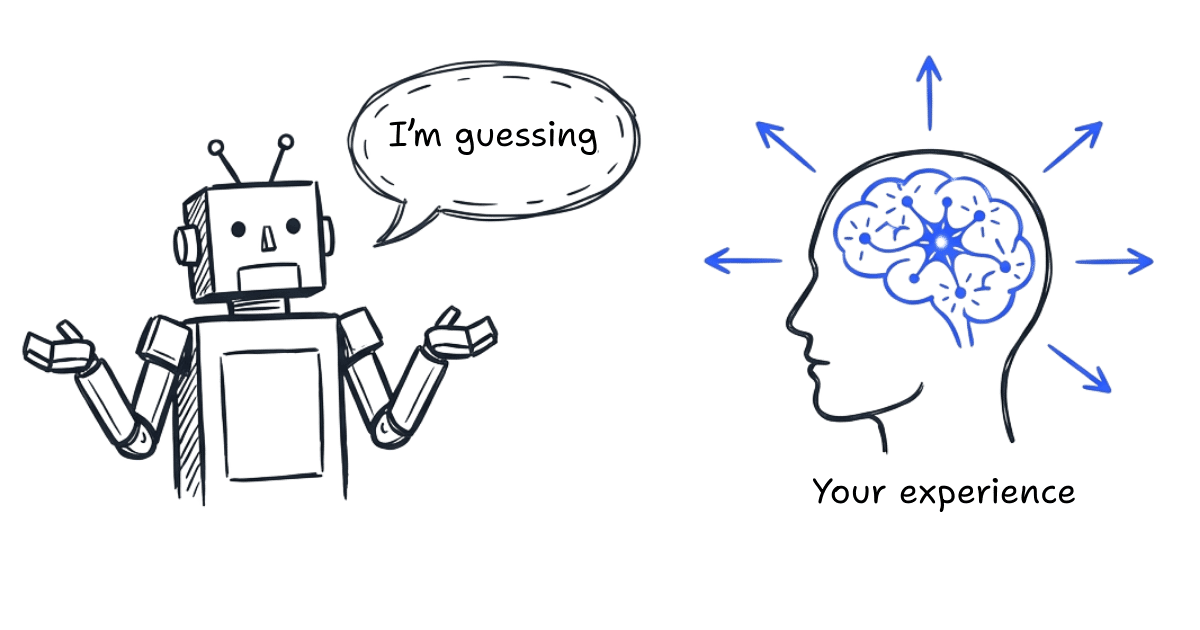
That is where businesses start to separate.
The Two Layers of Every Website
When people discuss websites, they usually focus on what can be seen.
Layout.
Structure.
Copy.
Images.
Buttons.
This is the execution layer.
AI is very good at this layer.
It can:
- generate a homepage in seconds
- rewrite your headline in ten different ways
- suggest better phrasing
- produce something that looks professional
For years, businesses hired agencies or freelancers to handle this layer.
Now AI does it faster.
The layer did not change. The speed did.
And when speed become faster for everyone, something else happens.
Standards go up.
Differentiation shrinks.
This is what I call competitive compression.
This is not just happening in websites.
In a 2025 Harvard Business Review article titled Strategy in an Era of Abundant Expertise, the authors argue that AI is dramatically reducing the cost of accessing expertise while simultaneously increasing its overall availability.
As more execution becomes automated, companies will have to rethink where they place their attention and capital.
The smart ones will not try to be excellent at everything.
They will identify the few areas where they can be truly distinctive, and concentrate their investment there.
The same shift applies to websites.
In the past, having a decent website was already an advantage.
Today, being decent is expected.
When everyone looks polished, polish no longer impresses.
This applies whether you use AI or not.
Because your competitors are using it.
So it doesn’t matter whether AI built your site.
It matters whether your site says something meaningful to the right people.
That difference does not sit in layout.
It sits in the second layer. I call it the Decision Layer.
When someone lands on your website, they are not studying your design.
They are evaluating.
Is this for me?
Can I trust them?
Will this solve my problem?
What happens if I contact them?
Is this within my budget?
A website has one real job.
Help the visitor decide whether to move forward.
Not decorate.
Not entertain.
Not show off.
Decide.
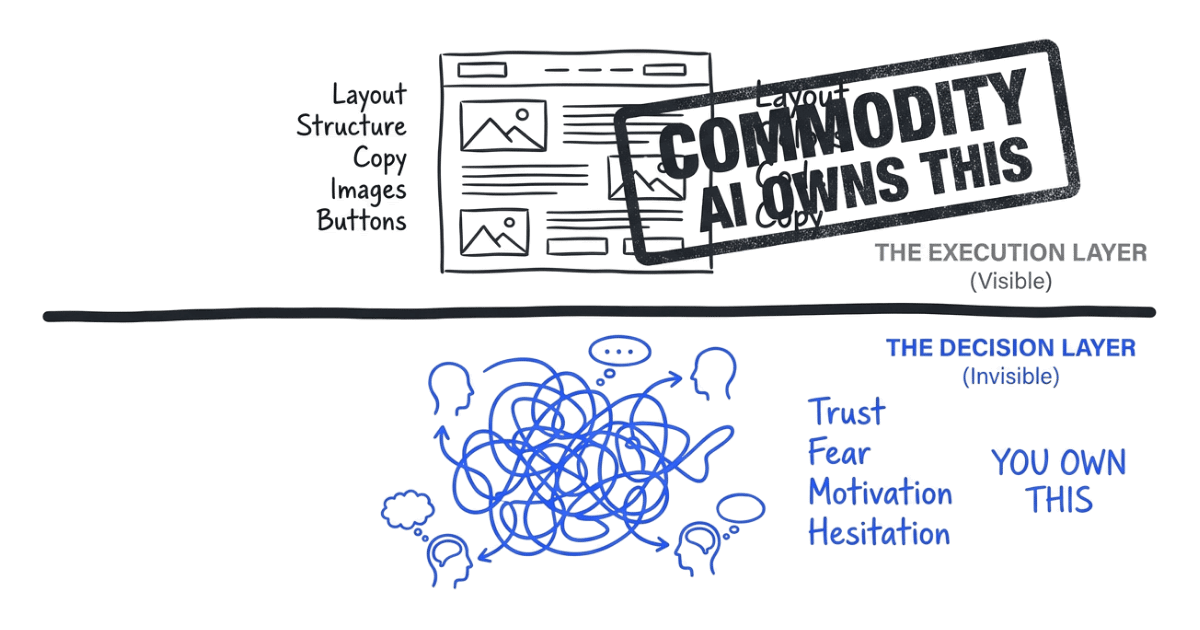
Now this is where competitive compression becomes real.
Execution is widely accessible.
Judgment is not.
AI can generate structure.
Agencies can design beautiful pages.
Templates can make everything look clean.
But none of them automatically know:
- What hesitation your customer feels before reaching out.
- What mistake they are afraid of repeating.
- What misconception exists in your market.
- What type of enquiry you do not want.
- What expectations need to be set upfront.
When tools are accessible to everyone, advantage shifts upward.
To things AI cannot know.
Your livid experience.
Your pattern recognition.
Your deep understanding of what satisfies your customers and frustrates them.
Your appreciation of their fears and motivations.
The specific language they use when describing their problems.
The nuance behind their hesitation.
AI does not sit in your sales calls. It does not hear the pause before someone says yes. It does not sense the tension around pricing.
In short, AI cannot replace your expertise in your business.
| AI Handles | You Must Handle |
|---|---|
| Layout and structure | Positioning |
| Draft copywriting | Customer insight |
| Headline variations | Filtering wrong clients |
| Design suggestions | Setting expectations |
| Speed and efficiency | Strategic judgment |
It can only approximate. But approximation is not insight.
And in a compressed market, approximation looks like everyone else.
The real advantage moves from tools to showing your customers you know them. And you can only do that with clarity.
From layout to language. From execution to judgment.
When everyone can build quickly, the one who wins is the one who understands their customer deeply and speak to them precisely.
This was always true.
AI simply makes it more visible.
What Clarity Actually Looks Like In Practice
Clarity sounds abstract until you are forced to write it down.
Business owners tend to believe that they are clear.
Until they attempt to answer specific questions.
If you are going to use AI to build your website, here is what clarity actually requires.
Not design clarity. Decision clarity.
1. You understand the exact situation your customer is in
Not your customer demographics.
Not labels like “SME owners” or “busy parents”.
What just happened before they searched for you.
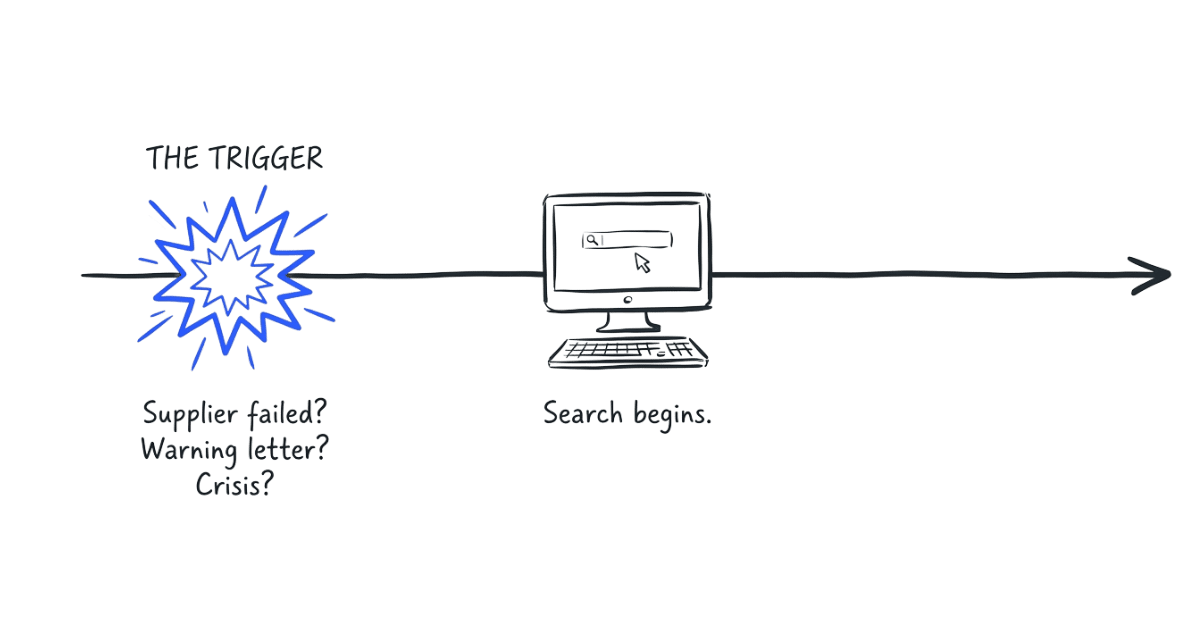
Did a supplier fail them?
Did their child’s results drop?
Did they receive a warning letter?
Did a previous provider disappoint them?
What triggered the search?
Context shapes urgency.
If you are vague about this, your website be vague too.
And vague websites disappear into the background.
2. You understand their hesitation
Before someone contacts you, there is doubt.
Fear of overpaying.
Fear of being pressured.
Fear of choosing wrongly.
Fear of wasting time.
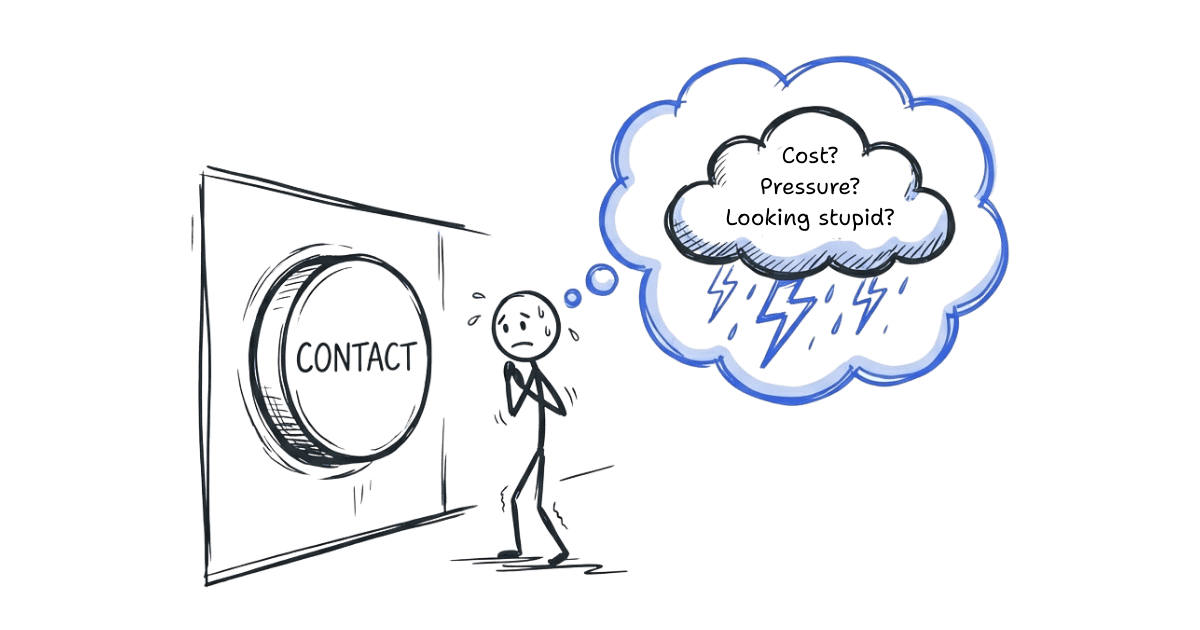
If your website does not reduce that doubt, it increases it.
AI can write confident sounding sentences.
But it cannot identify your market’s specific fear unless you already know it.
3. You are honest about who you do not want
This is uncomfortable.
You want more enquiries.
But not every enquiry is good.
Clarity means defining:
- Who is not a good fit.
- What budget range is unrealistic.
- What expectations you do not accept.
- What type of client drains your energy.
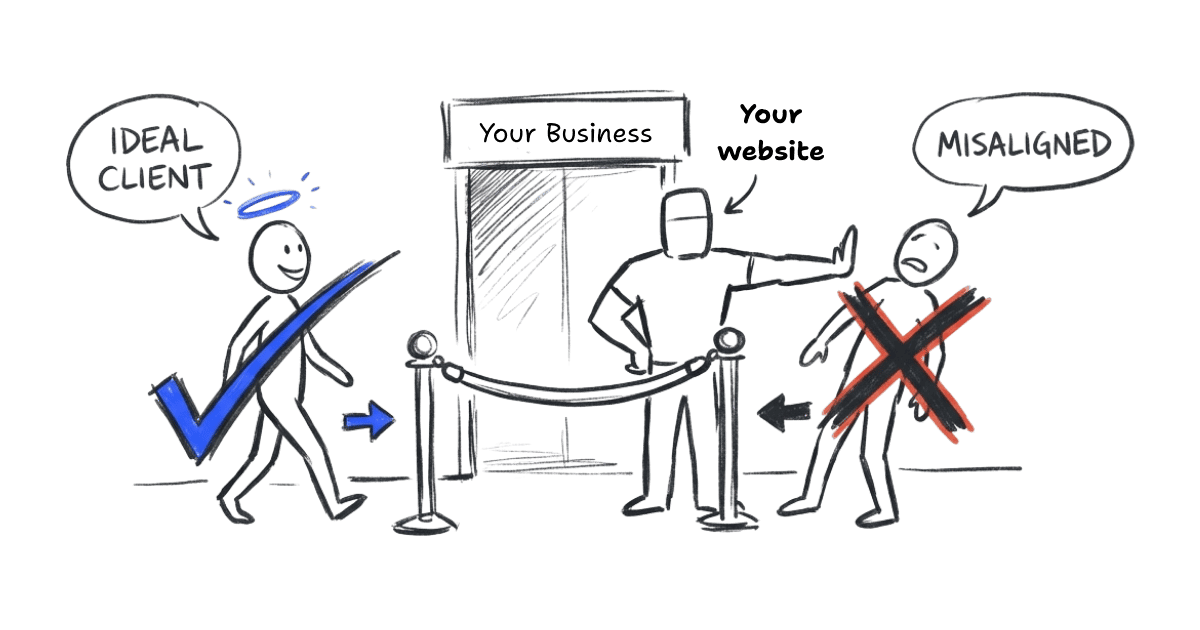
If you do not define this, your website welcomes everyone.
And everyone includes the wrong people.
Filtering is not arrogance.
It is positioning.
AI will not do this thinking for you.
4. You can articulate what makes you different in a way customers care about
Not awards.
Not years in business.
Not “quality service”.
Insights.
What pattern have you seen repeatedly?
What mistake do people commonly make before coming to you?
What truth can you express that makes your someone think,
“They understand exactly what I’m going through.”
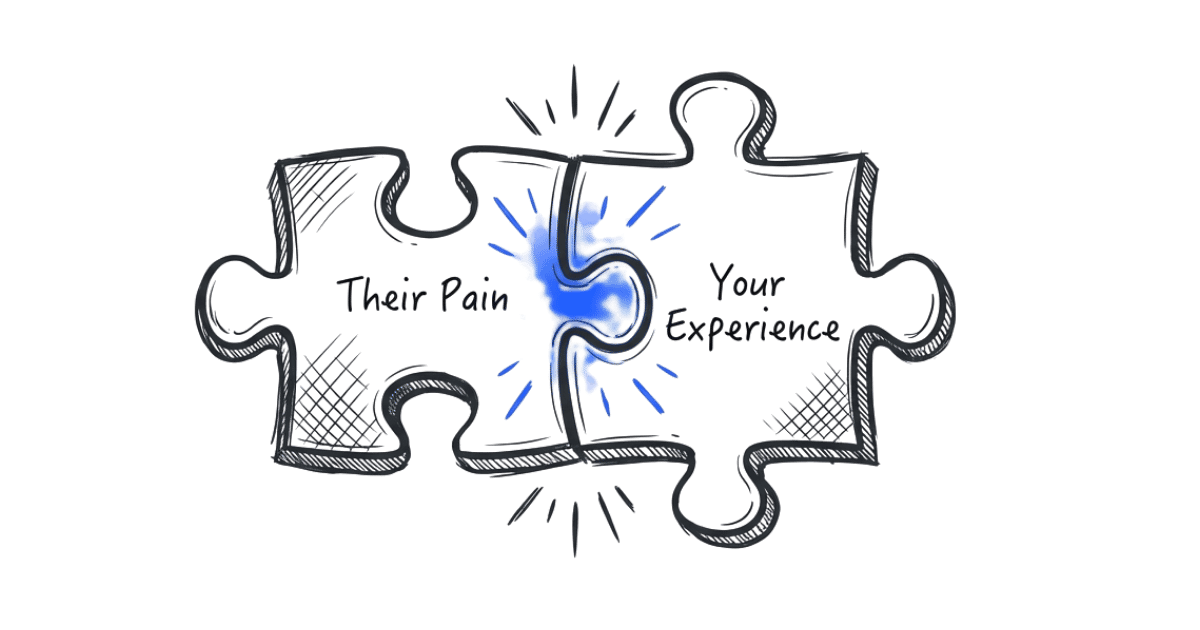
That cannot be templated.
It comes from experience.
In a market full of AI-generated websites, lived insight becomes rare.
And rare stands out.
5. You make the next step predictable
This is surprisingly rare.
When someone clicks “Contact us”, what happens next?
Will someone call immediately?
Is it a sales call?
Is there pressure?
Will pricing be discussed?
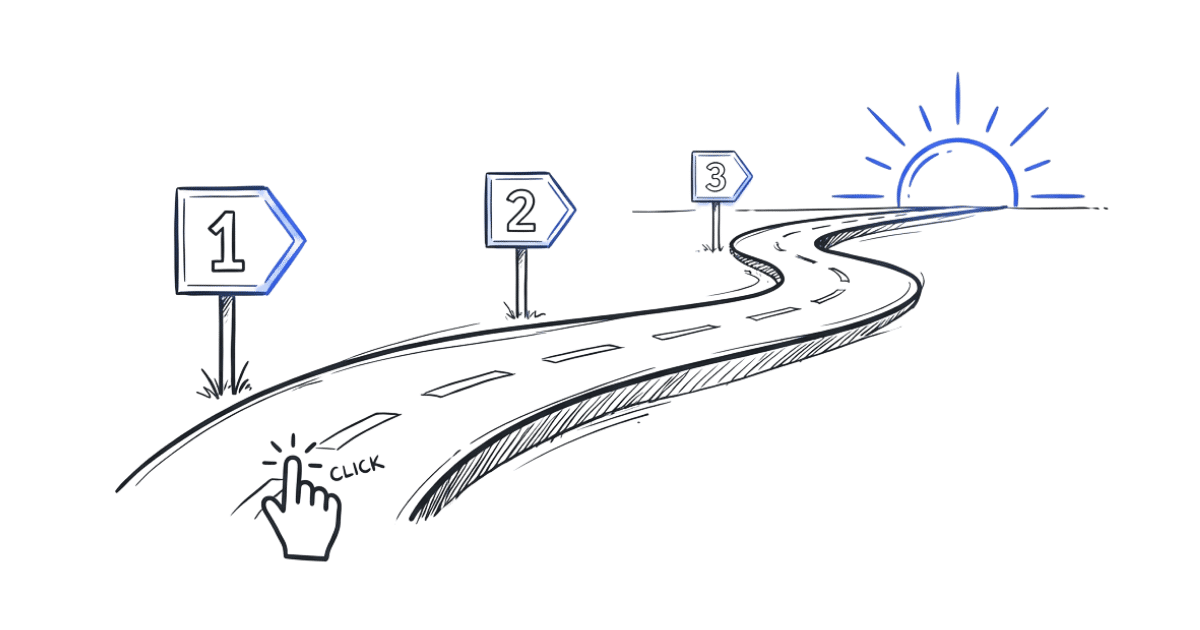
If you do not clarify this, people hesitate.
I call this a Post-Contact Roadmap.
AI can generate a button. It cannot remove uncertainty unless you instruct it clearly.
And you can only instruct it clearly if you have thought it through.
This is where AI Becomes Powerful
Once you are clear on these things, AI becomes leverage.
You can instruct it clearly.
Generate a homepage structure that reduces trust hesitation around price.
Rewrite this section to filter out unrealistic expectations.
Make this call to action feel safe and predictable.
Now AI is not guessing.
It is executing your thinking and experience.
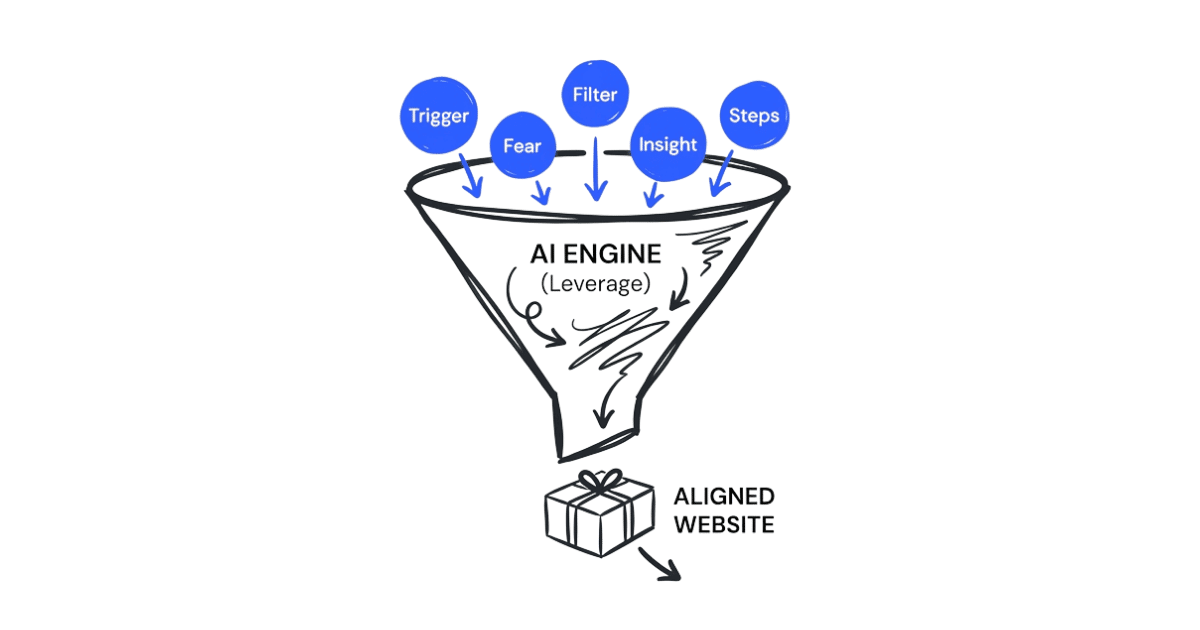
Without clarity, AI produces something that sounds fine.
With clarity, it produces something aligned.
In a compressed market, alignment is what makes someone choose you instead of scrolling past.
Key Takeaways
- AI can build websites quickly and cheaply.
- AI is no longer a competitive advantage.
- Execution quality is becoming baseline.
- Differentiation now depends on clarity and judgment.
- The real leverage comes from guiding AI strategically.
Conclusion
The age of “good enough” websites is fading.
Not because building is harder.
Because building becomes easy.
When tools are available to everyone, advantage shifts upward.
From execution to judgment. From templates to understanding. From speed to clarity.
AI is now baseline.
Clarity differentiates.
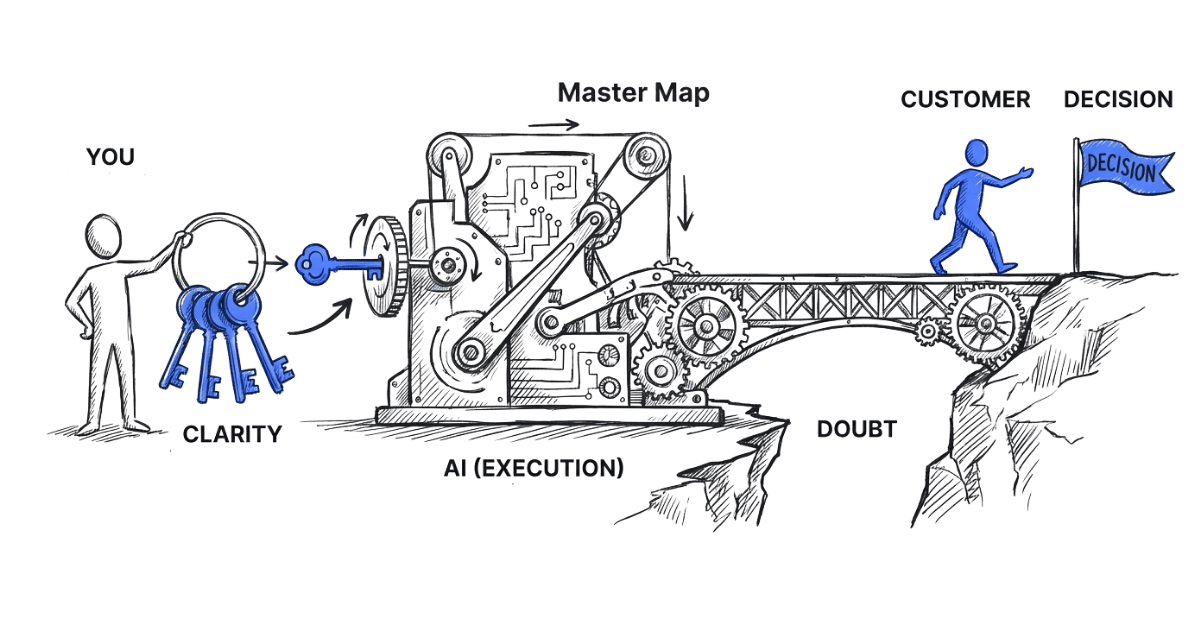
So the question is no longer whether you should use AI.
It is whether you can use it without blending into the noise.
We help businesses on how to stand out in this AI-crowded world.
If you would like to understand how can you position your business differently,
book your free assess-fit short conversation
with us to find out more.
In the next article, I will break down how to do exactly that.
Frequently Asked Questions
Can AI replace web designers or agencies?
AI can generate layout, structure and first-draft copy. However, it cannot replace strategic positioning, customer filtering and livid experience. Those require human judgment, experiences and expertise.
Is using AI to build a website cheaper?
Yes. AI significantly lowers execution cost. However, without clarity and positioning, a cheaper website may not convert effectively.
What is the biggest mistake when using AI website builders?
The biggest mistake is letting AI decide your positioning and messaging instead of using it as an execution tool guided by clear strategic thinking.
Will AI-built websites all look the same?
As tools become widely accessible, many websites will converge in structure, design and layout. Differentiation increasingly depends on clarity and customer insight rather than design alone.

About the author
Thiam Hock is the founder of Hockworks, where he works with professional service businesses to build websites that stand out in crowded, AI-driven markets. His focus is not on design trends, but on clarity, differentiation and decision psychology. He believes that as execution becomes easier, strategic judgment becomes the real advantage.
Read more about Thiam Hock →